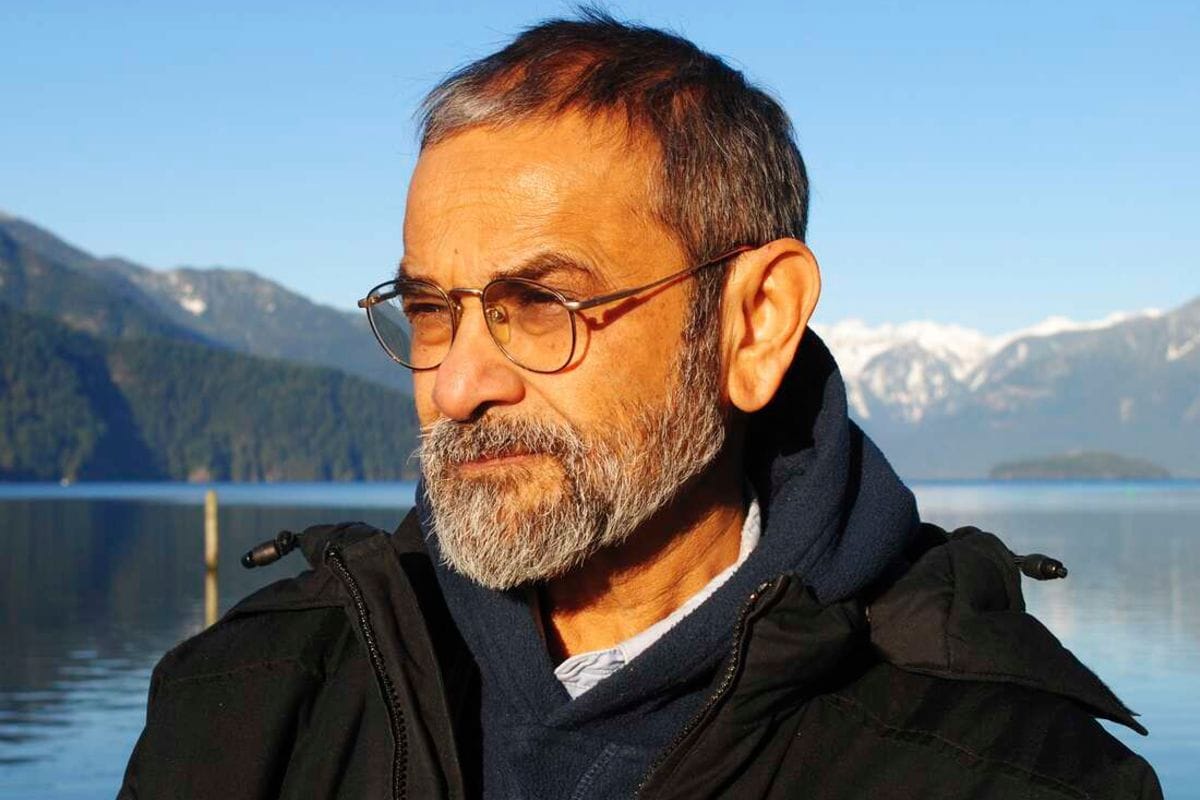
The Founder of CPMHF:
Dr. Sultan Somjee
The Founder of CPMHF: Dr. Sultan Somjee Bio
Key contributions
Dr. Sultan Somjee: Global Impact and Legacy
Dr. Sultan Somjee is an internationally recognized ethnographer, author, and peace activist whose career spans over four decades. Renowned for pioneering the use of material culture—everyday objects—he has transformed them into powerful tools to foster reconciliation and advance education globally. As a distinguished professor at Tangaza University, Kenya, he teaches Decolonization and Indigenous Knowledge while mentoring the next generation of scholars.
Literary & Historical Preservation:
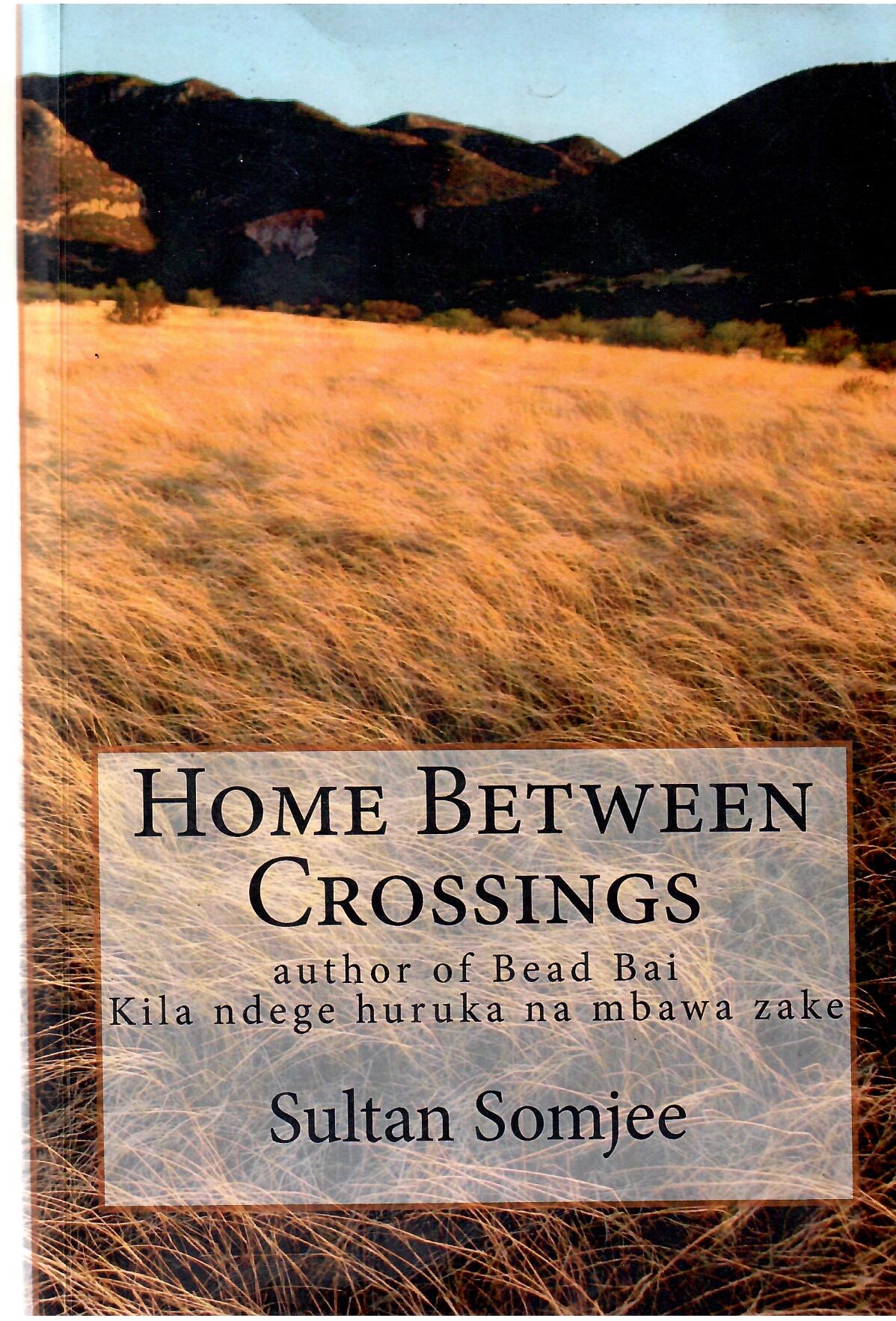
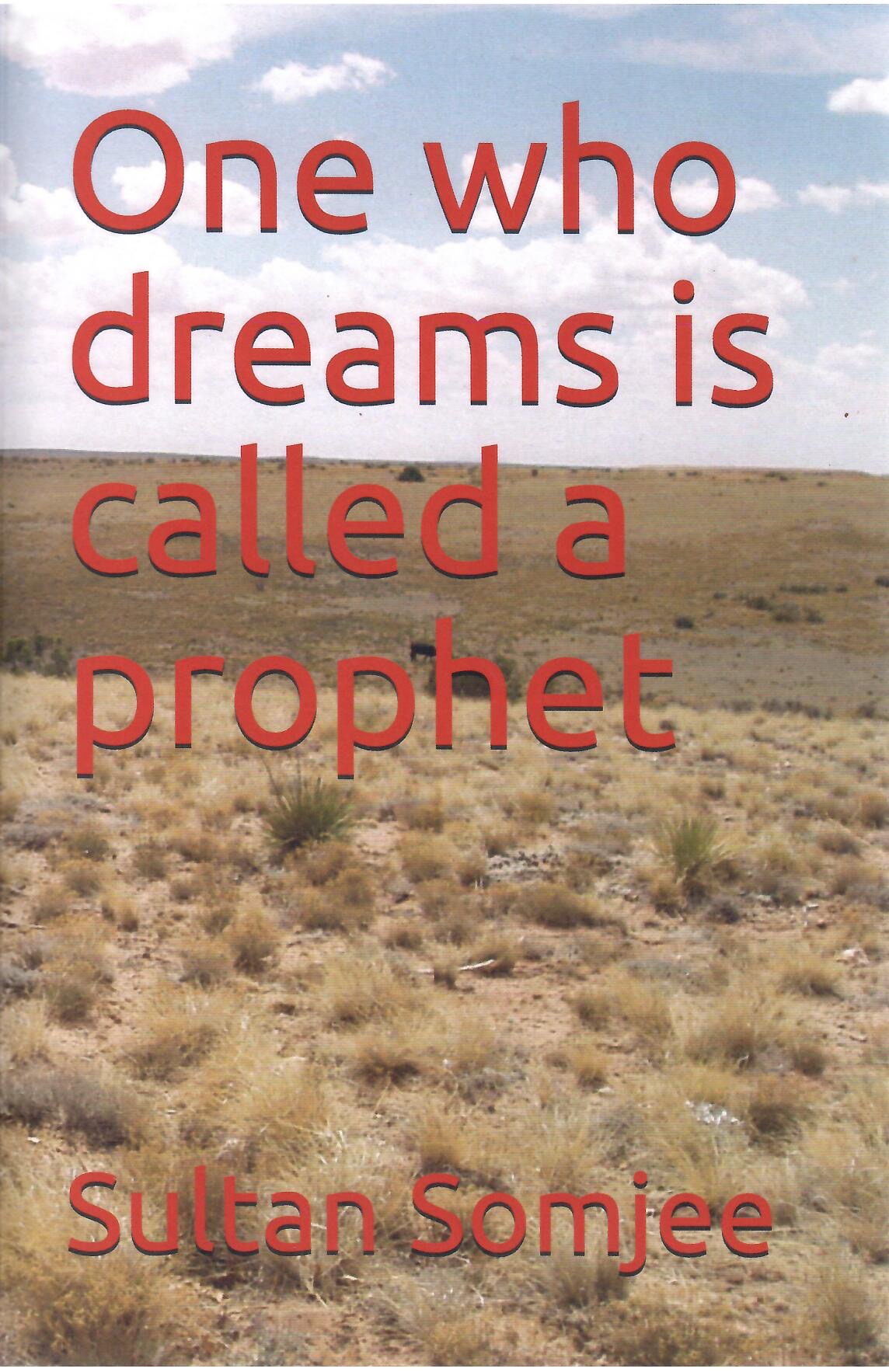
Somjee has authored acclaimed ethnographic novels, including Bead Bai (2012), Home Between Crossings (2016), and Mothaj (2026), which document the overlooked histories of Asian-African migrations and their interactions with Indigenous communities such as the Maasai and Swahili. His novel One Who Dreams is Called a Prophet (2018), launched byNgũgĩ wa Thiong’o in 2019, is now studied as a university text on decolonization and Indigenous knowledge. His latest research, Decolonizing Methodology: I am because I sense—Resistance Through Sensory Ethnography (2026), further advances the field of sensory ethnography.
Pioneering Museums of Peace:
Somjee founded a trailblazing network of 23 community-based peace museums in Kenya, later expanding into Uganda and South Sudan. Unlike traditional museums that memorialize conflict, these “Africanized” institutions celebrate Indigenous peace traditions and the philosophy of Utu (humanity and reconciliation), serving as innovative models for resolving ethnic tensions.
Global Peace Advocacy:
In 2001, the United Nations honoured him as one of twelve global “Unsung Heroes of Dialogue Among Civilizations” for his groundbreaking work in fostering intercultural dialogue through cultural heritage.
Educational Reform:
In 1985, he integrated Indigenous material culture into Kenya’s national curriculum, empowering students to explore history and art through their own identities and ancestral heritage.
Constitutional & Human Rights Work:
He contributed as a cultural consultant to Kenya’s 2010 Constitution, providing expertise on cultural rights and human dignity.
Global Advisory Board of Human Dignity and Humiliation Studies
Member since 2001.
Early Childhood
Somjee was born in Nairobi, Kenya, in 1943 to an Ismaili Khoja family. His early life was marked by the upheaval of World War II, during which his father served in the King’s African Forces. Growing up in a multi-ethnic environment, he became fluent in several languages and developed a passion for art and Indigenous cultures. Visits to his uncle’s bead shop in Arusha, Tanzania, exposed him to Maasai culture and deepened his appreciation for heritage.
Sultan Somjee’s Biography
Education
He attended St. Teresa’s Catholic Mission School in Nairobi during the Mau Mau Uprising, a period of violence and uncertainty that marked his childhood and shaped his sense of justice and freedom.
After Kenya’s independence in 1963, Somjee completed high school and pursued a diploma in art teaching. He began teaching in government schools, where he saw firsthand the damaging effects of colonial education on local communities. His time teaching in remote Ukambani allowed him to explore Akamba material culture by visiting students’ homes, deepening his interest in the cultural significance of everyday objects. Around this period, he became engrossed in Ngũgĩ wa Thiong’o’s novels—Weep Not the Child, The River Between, and A Grain of Wheat—which vividly depicted the complexities of colonial Kenya and the resilience of its people. These experiences further fueled his passion for understanding the interplay between art, culture, and society.
Somjee initially enrolled in the University of Nairobi’s English Literature program, drawn by Ngũgĩ wa Thiong’o’s presence. However, disappointed by the curriculum’s emphasis on British literature, he pivoted to a Bachelor of Arts focused on art, architecture, and product design. In his second year, he specialized in product design under Professor Kristian Vedel, a leading advocate for Africanization in design. Vedel encouraged students to draw inspiration from African culture and community, profoundly influencing Somjee’s appreciation for sensory experience, material culture, and Indigenous creativity. This mentorship inspired him to explore African patterns and symbols, shaping his creative outlook.
After graduating in 1971, Somjee was invited by Professor Vedel to join the Academy of Design in Eindhoven, Copenhagen. He began postgraduate studies in 1972, where he was encouraged to research traditional material culture in post-colonial societies. His fellowship in Holland deepened his fascination with global material culture. Visiting folk museums across Scandinavia and the USSR, he saw how preserving artifacts sustains tradition and mutual understanding, solidifying his respect for cultural diversity and heritage.
Following his postgraduate studies, Somjee became a Junior Research Fellow and Lecturer at the Institute of African Studies at the University of Nairobi. He focused on material culture and taught arts and anthropology, channelling his work toward advancing social justice in Kenya. Frustrated by the limitations of Western academia, he authored a series of critical lecture papers, including “Arts in Society: From a Study on Material Culture,” “On Material Culture of the Nationalities,” and “Kipande, the Symbol of Imperialism (1915-1946): A Study in Colonial Material Culture.”
The December Twelve Movement
In 1974, Somjee joined the December Twelve Movement (DTM), a clandestine Marxist-Leninist group formed by university intellectuals to challenge the capitalist policies of Kenya’s post-independence regimes. DTM, named after Independence Day, aimed for a “second liberation” to combat imperialism, corruption, and repression. Through DTM, Somjee met his future wife, Zara, a fellow activist and nurse. Alongside Ngũgĩ wa Thiong’o, he co-authored and distributed Pambana (Struggle) leaflets in Nairobi’s working-class neighbourhoods.
In 1975, Somjee taught art at the YMCA in Kariobangi, where he connected with urban artists and Akamba woodcarvers. Together, they organized the Mau Mau Exhibition of Wood Carvings, bringing marginalized artists and academics together to showcase their creativity despite government restrictions. The event was supported by both Ngũgĩs and highlighted the movement’s spirit of resistance and cultural revival.
Community Theatre & Kamirithũ Methodology
In 1976, Somjee joined the University of Nairobi’s Travelling Theatre, an experience that revolutionized his understanding of the power of community theatre. Through productions like The Trial of Dedan Kimathi, he witnessed how drama could reconnect artists with their heritage and foster empathy, creativity, and solidarity.
In 1977, Ngũgĩ wa Thiong’o and Ngũgĩ wa Mirii co-wrote “Ngaahika Ndeenda” (I Will Marry When I Want), performed in Kamirithũ village. Ngũgĩ wa Mirii’s collaboration with local peasants and factory workers enabled broad community participation. Somjee designed the set and costumes for the play, which ran for seven weeks and drew huge crowds from Nairobi and surrounding villages. Its unflinching portrayal of political corruption and the quest for cultural identity attracted government scrutiny. On November 27, 1977, police stormed the amphitheatre, destroying the set and dashing the hopes of the cast and community, leaving Kamirithu in deep sorrow.
Shortly after, on December 31, 1977, Ngũgĩ wa Thiong’o was arrested and detained without trial. As news spread, Ngũgĩ wa Mirii and other intellectuals fled into exile, and President Kenyatta banned the play out of fear it might spark revolution. To avoid arrest, Somjee left Nairobi for northern Kenya, blending in with local communities and using his South Asian identity to evade detection.
The period from 1977 to 1978 was marked by anxiety and isolation for Somjee, who had lost his underground network and lived in constant fear of arrest. During this time, he reflected on his collaborations with Ngũgĩ wa Thiong’o and Ngũgĩ wa Mirii, recognizing how community theatre could address social issues, spark dialogue, and educate people about their heritage—a process he referred to as Ngũgĩ wa Thiong’o’s “Kamirithu methodology.”
On August 22, 1978, President Jomo Kenyatta died suddenly, and Vice President Daniel arap Moi was sworn in as interim president. After international advocacy secured his release, Ngũgĩ wa Thiong’o was designated a Prisoner of Conscience, but was barred from academic work and forced into exile following an assassination threat. Meanwhile, in 1978, Somjee became head of the Material Culture Section at the University of Nairobi’s Institute of African Studies, leading fieldwork across Kenya to document the material culture of various ethnic groups.
Educational Reform
In 1980, the Ministry of Economic Planning and Development partnered with the Institute to document Kenya’s ethnic groups and educate officials about their traditions, recognizing the importance of material culture in development initiatives.
From 1980 to 1982, Somjee led the District Socio-Cultural Profiles Project, which involved fieldwork in South Nyanza, Samburu, Marakwet, and Busia. He worked to balance government demands with his dedication to preserving Indigenous identities, sharing insights with both officials and academics. His research included surveying, analyzing, and classifying artifacts, with a focus on communities such as the Pokot, Marakwet, Cherangani, Akamba, Turkana, Samburu, and collecting Somali textiles near Garissa.
In 1981, President Moi’s 8-4-4 education reform introduced technical and vocational training and, for the first time, established art as a distinct subject. Teachers faced resource shortages and the challenge of integrating tradition with modernity. To address these gaps, Somjee revised the national art syllabus at the Kenyan Institute of Education and, in 1985, launched a curriculum focused on African art and design in Kenya. He encouraged schools to build resource centres featuring material culture and transformed a University of Nairobi basement into a vibrant classroom, housing a 6,000-object collection from his fieldwork.
In January 1988, Somjee received a scholarship to pursue a Master of Arts in Anthropology and Education with a focus on the Arts at McGill University. Somjee and his family relocated to Montreal, where he deepened his exploration of sensory experience in art and developed a keen interest in the ways Indigenous peoples connect with the earth through artistic expression.
From 1991 to 1994, Somjee resumed his role as a Research Fellow at the Institute of African Studies, University of Nairobi. During this period, he evaluated the implementation of the national Art Curriculum in schools and identified a need for better support materials. This realization led to the publication of his 1993 book, “Material Culture of Kenya,” designed to aid teacher training and help art educators incorporate material culture into classroom practice. He has also written two Stories from Things (2014) and academic papers and magazine articles.
Between 1990 and 1995, while pursuing his PhD at McGill University, Somjee travelled frequently between Kenya and Canada. These years were fraught with turmoil, most notably the 1994 Rwandan genocide, whose devastating scale and proximity left a profound impact on him. The violence in Rwanda and neighbouring countries stoked concerns in Kenya about the potential for ethnic conflict, exacerbated by political manipulation and tribalism, especially during election cycles. In response, Kenya experienced a surge of Western-led peacebuilding efforts. Organizations such as PeaceNet and International Alert organized workshops that promoted dialogue and conflict resolution—often using the arts—while the country navigated the complexities of political transition and multi-party elections.
Yet Somjee saw that, despite independence, Kenya’s ethnic divisions only deepened. Political favouritism, the marginalization of minority groups, and the rapid pace of modernization—often at the expense of traditional practices—fueled further tension and violence. Western-backed leaders frequently prioritized their own communities, reinforcing divisions across the country.
While Africa boasts long-standing traditions of peace and reconciliation, Somjee observed that imported Western peacebuilding models, promoted by NGOs and international agencies, often clashed with local realities. He critiqued these interventions as overly top-down, rooted in foreign ideologies, and detached from African philosophies like Utu. Instead, Somjee advocated for revitalizing Africa’s own heritage of dialogue and reconciliation, convinced that Indigenous traditions offered a more authentic and effective path to social cohesion and lasting conflict resolution.
Constitutional & Human Rights Work: He contributed as a cultural consultant to Kenya’s 2010 Constitution, providing expertise on cultural rights and human dignity.
During the constitutional reform process in Kenya between 2000 and 2004, the Constitution of Kenya Review Commission, chaired by the distinguished constitutional scholar Yash Pal Ghai, undertook one of the most extensive participatory constitution-making efforts on the African continent. The Commission sought not only legal and political expertise but also insight into the cultural and historical dynamics shaping Kenyan society. Through consultations with civil society organizations, community leaders, and scholars, the process aimed to understand the complex relationships among ethnicity, identity, land, and governance that had long influenced political tensions in the country.
Among the most influential contributors to this broader intellectual context was Dr. Sultan Somjee, a renowned ethnographer whose pioneering research documented oral traditions, community practices, and material culture across East Africa. Dr. Somjee’s scholarship was instrumental in emphasizing the importance of cultural memory, indigenous knowledge systems, and traditions of social mediation in fostering community cohesion and peaceful coexistence. His engagement with the Commission ensured that cultural perspectives were not only acknowledged but placed at the forefront of the constitutional reform process, helping to illuminate the social foundations necessary for reform in a plural society. These interdisciplinary insights, shaped by Dr. Somjee’s work, informed discussions on national identity, inclusion, and reconciliation—central themes that became integral to the constitutional framework ultimately adopted in the Constitution of Kenya 2010.
Pioneering Museums of Peace
In 1995, Somjee began exploring traditional African frameworks for peace and reconciliation, centring his research on Utu—the African humanist philosophy rooted in the Swahili notion of ‘being human.’ Utu weaves together the Supreme Being, community, Elders, ancestors, nature, and future generations, emphasizing mutual respect and reciprocity to sustain peace and harmony.
Though Utu is deeply embedded in Bantu culture, its core principles appear in many Indigenous African societies under various names. The philosophy prioritizes communalism, spiritual and ecological reciprocity, and collective self-preservation—values that emerged as communities faced challenges together. Prior to colonization, African societies generally avoided domination or conquest, favouring traditions of peacemaking and reconciliation such as storytelling, oratory, compensation, and the guidance of councils of Elders. Despite colonial and religious suppression, Utu endured as a living tradition and remains a cornerstone for peace and civil society in Africa today.
To deepen this research, Indigenous Elders recruited community members to serve as field assistant trainees. At monthly gatherings at the National Museum of Kenya, these trainees presented and analyzed their findings collaboratively, revealing common threads in peace heritage among groups such as the Kamba, Kikuyu, Akorino, Maasai, Embu, Meru, and Borana—most notably thephilosophy of Utu itself. Elders mentored the trainees and voiced concern over the erosion of peace traditions due to Europeanization, modernization, and mechanized conflict. The project encouraged assistants to reflect on peace as a shared heritage and provided new ways to document and transmit Utu values through artifact collection and storytelling. Over time, the trainees exchanged insights on peacemaking practices—rituals, ceremonies, art, and songs—and found that, even under colonial and post-colonial pressures, peace traditions endured, especially among pastoralist peoples. Their collaborative work highlighted the critical role of expressive arts, material culture, and the environment in sustaining peace and reconciliation rituals.
The Inter-Pastoralist Material Culture Forum
In 1995, Nairobi hosted the first national conference on pastoralist material culture, bringing together eight ethnic groups and about 60 participants. The event, sponsored by the Mennonite Central Committee, showcased artifacts from various pastoralist cultures and fostered cross-cultural dialogue. Elders and assistants presented artifacts and shared stories, encouraging participants to explore and discuss the unique craftsmanship of items like animal bells and milk containers. This hands-on experience deepened appreciation and understanding of pastoralist traditions. The forum acted as a communal classroom, promoting learning and storytelling through shared discovery. Led by Sultan Somjee, it laid the groundwork for the development of peace museums in the region. Somjee went on to curate 20 community-participatory and educational exhibitions at village forums and at national and international institutions.
Community Peace Museum Heritage Foundation
On October 23, 2002, Somjee registered the Community Peace Museums under the Community Peace Museum Heritage Foundation (CPMHF) as a society in the Republic of Kenya (Baker, et al., 2020). What makes these community peace museums unique is their emphasis on a grassroots approach to recall the collective memories of the African humanist philosophy of Utu. The organization’s goal is to strengthen the cultural foundations that foster a life free from violence among Indigenous communities by understanding diverse cultural perspectives on peace and conflict. The goal was to strengthen the cultural foundations that commemorate memories of living without violence among ethnic communities through cultural heritage.
Over the years, the CPMHF has grown to form international partnerships to facilitate community outreach programs, such as The Great Beaded Peace Tree (2008), Journeys of Peace (2013-2014), Youth4Peace (2015) and Tubonge: women’s peace material culture (2018). These educational programs and exhibits integrated knowledge of cultural heritage as a resource for preventing ethnic conflict and a tool for fostering reconciliation and healing in post-conflict situations. These projects broaden people’s mindsets towards understanding cultural diversity and developing tolerance. Today, the CPMHF museums continue to engage with Kenyan Indigenous cultures through community engagement.
In a world where violence is unyielding, Somjee’s most significant legacy is reviving the cultural memories and wisdom of peace, and sustaining these rich heritage traditions through life-enriching education, collective creativity, and discussion, to reduce conflict, enhance relationships, and ultimately improve humanity. The cornerstone of this is Utu and a respect for life, not just human life, but for all forms of life, both human and non-human. These peace museums truly promote peace and go beyond addressing the post-war effects on citizens, victims’ trauma, genocide, individual peacemakers, and military history. They also focus on engaging with and presenting cultural peace heritage, performance arts, and peacemaking tools. In this way, we encourage fostering peace in civil society. Today, the peace museums have spread from Kenya to Uganda and South Sudan. In 2001, the United Nations recognized Dr. Somjee as one of twelve global Unsung Heroes of Dialogue Among Civilizations for his pioneering work on Utu. That same year, he was appointed to the Global Advisory Board of Human Dignity and Humiliation Studies.
Immigrating to Canada
In 2002, Somjee and his family immigrated to Canada, prompted by growing challenges and corruption within the National Museums of Kenya (NMK). After securing a Ford Foundation Grant for a research project, Somjee discovered he had been denied access to the funds and reported the issue to the authorities. When the NMK Director General submitted a false report to the Ford Foundation, Somjee responded with a detailed rebuttal, leading to the Director General’s dismissal for embezzlement. Subsequently, Somjee testified against him in court. Facing threats to his safety, Somjee’s wife, Zara, sought support from family in Canada, helping them begin a new chapter abroad.
Literary & Historical Preservation
Somjee transitioned from academia to storytelling, using creative writing to break free from the constraints of academic and colonial thinking. Drawing on his experiences and sensory memories, Somjee began crafting short stories, poems, and biographical narratives inspired by his childhood in Kenya, fieldwork, exhibitions, and imagination. Next, he started writing novels.
Somjee wrote a series of three ethnographic novels – Bead Bai (2013), Home Between Crossings (2016), and Mothaj (to be published in 2026). Each book centres on objects of material culture, treasured within its community and carried primarily through women’s senses – hands, eyes, bodies in general, and memories showing the power of embodied knowledge in material culture, songs and storytelling that presage community value.
Somjee’s book, One Who Dreams is Called a Prophet (2018), was launched byNgũgĩ wa Thiong’o in 2019. The ethnographic novel is studied as a university textbook on Decolonization and Indigenous Knowledge.
Somjee’s upcoming book, Decolonizing Methodology: I am because I sense, Resistance Through Sensory Ethnography, sums up his life’s work as an ethnographer and draws a conclusion from his total findings as a reflection. This is told as his latest research engagement in Sensory Ethnography – a journey that meanders back to his early days as a child working with ethnic beads through stages in his life, as he grows up, leading to this book.
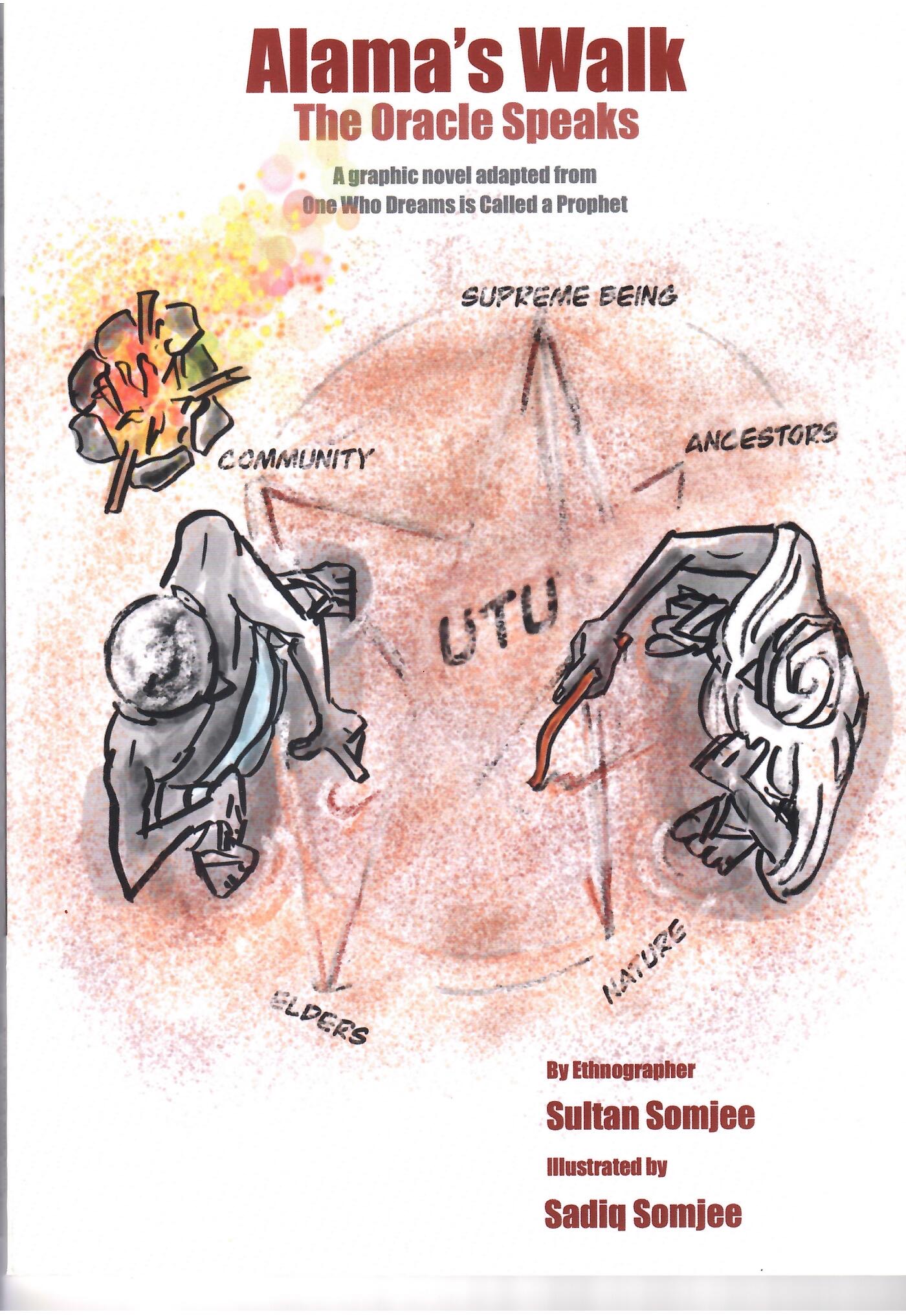
Somjee’s Books


Contributed by ,
Dr. Kimberly Baker
The authorized biographer of Dr. Sultan Somjee.
Dr. Kimberly Baker is a Canadian museum educator, artist, writer, and researcher specializing in arts, culture, heritage, and peace education. Her interdisciplinary practice connects museum education with community engagement and creative research, aiming to foster intercultural understanding and dialogue. Dr. Baker holds a PhD in Art Education and Curriculum Studies from the University of British Columbia, where she focused on culturally responsive museum education and the role of museums in peace and reconciliation, especially through expressive arts and Indigenous knowledge. Dr. Baker’s fieldwork includes research in sub-Saharan Africa on community peace museums and Indigenous philosophies of peace, with projects in Kenya. She is the founder and chair of the Living Peace Museum, a Canadian initiative dedicated to preserving global peace heritage traditions through cultural storytelling, community dialogue, and arts-based learning based on Dr. Somjee’s theories and methodology.